
Graduation
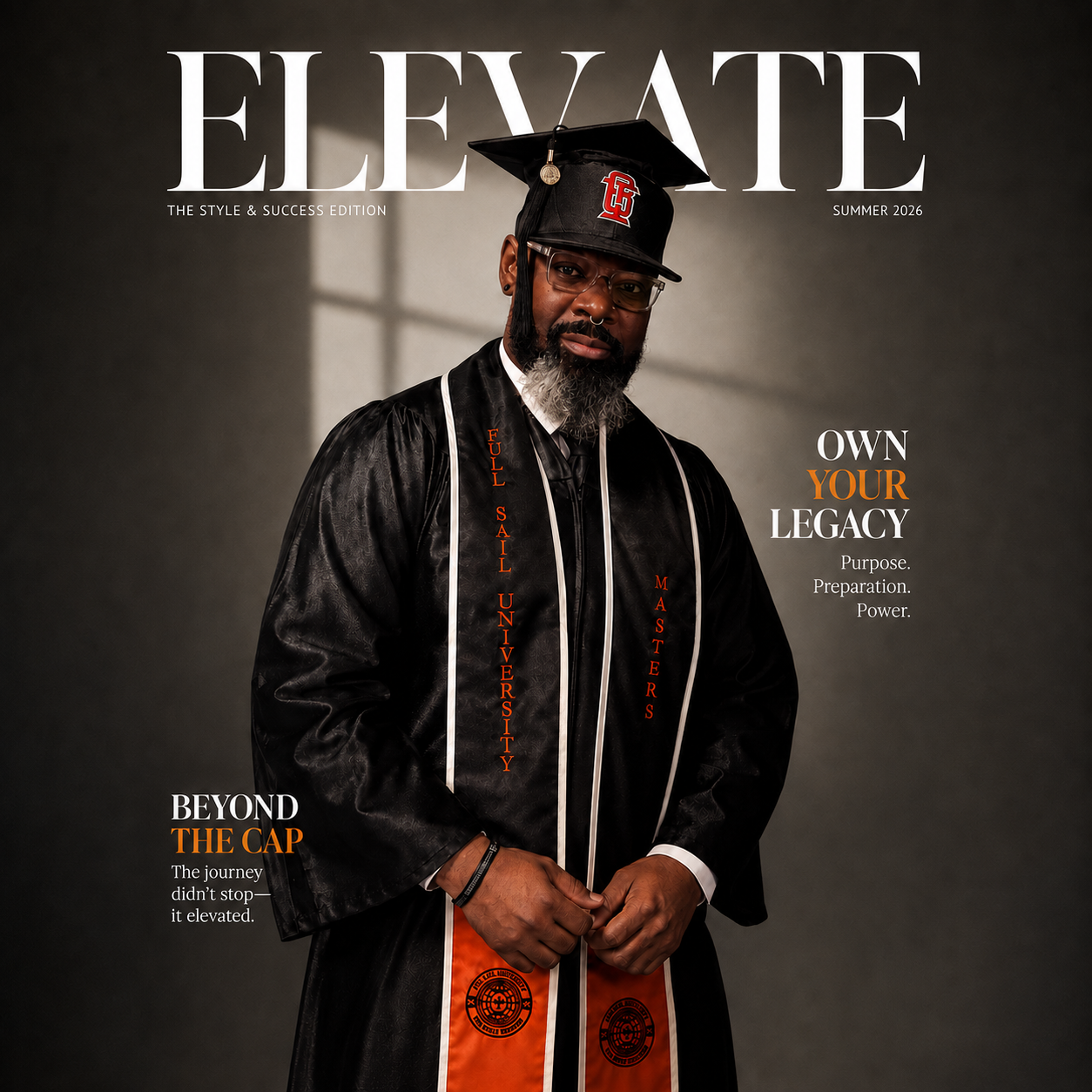
The Journey
This program challenged me in ways I did not expect.
One of the biggest challenges was learning that good communication is not simply about producing something that looks or sounds good. Every message needs a reason for existing. Every audience needs to be understood. Every tactic should connect to a larger objective. That sounds simple until you are responsible for building an entire campaign and defending the decisions behind it.
My work with Flight Fuel Café became the place where those lessons came together.
Over the course of the program, what started as an academic client project developed into a complete public relations campaign. I researched audiences, studied the organization and its competitive environment, developed strategic communication materials, created media content, planned an event, worked through budgets, built digital content, developed an online media presence, and evaluated how all of those pieces supported a larger communication strategy.
There were times when I had to go back and completely rethink something I had created. That was frustrating at first. Eventually, I realized those moments were some of the most valuable parts of the program.
Graduate school taught me that revision is not failure. Revision is part of professional work.
Feedback forced me to explain why I made certain decisions instead of simply saying that I liked the way something looked or sounded. I had to think about the audience first. I had to consider objectives, outcomes, accessibility, credibility, consistency, and measurement.
That changed the way I approach communication.
I am especially proud that I stayed committed through the entire process. This year did not always unfold the way I expected it to personally or professionally. There were moments when school was competing with work, family responsibilities, career decisions, and everything else that happens outside of a classroom. Still, I continued showing up.
Finishing this program with a 3.98 GPA means something to me because I know what existed behind that number. It represents late nights, revisions, research, presentations, feedback, missed ideas, better ideas, and the decision to finish what I started.
Becoming a Better Communicator
The biggest change I see in myself is how I think strategically.
Before this program, I often approached communication from the perspective of a filmmaker, photographer, marketer, or content creator. I thought about what would capture attention. I thought about composition, emotion, storytelling, and how an audience might experience a piece of content.
Those skills still matter.
What changed is what happens before I ever pick up a camera or begin designing something.
Now I ask different questions.
Who exactly are we trying to reach?
What do we want them to know, feel, or do?
Why should they care?
What does success actually look like?
How will we know whether the communication worked?
Those questions have made me better at the creative work I was already doing because I now understand how creative execution fits into a much larger strategy.
I have also become more confident presenting and defending my ideas. Public relations requires more than having an idea. You have to communicate that idea to clients, executives, stakeholders, media professionals, coworkers, and communities. You have to explain why a recommendation makes sense.
That is a skill I will carry with me long after graduation.
The People Behind the Degree
No accomplishment like this happens completely alone.
I want to acknowledge Dr. Gottsch for the guidance, feedback, and expectations throughout this final stage of the program. Some of the most useful feedback I received forced me to look at my work from the perspective of the audience instead of the person who created it. That distinction matters. It helped me strengthen my portfolio, rethink how I presented public relations work, and become more intentional about how strategy and execution connect.
I also appreciate the professors throughout this program who challenged me to improve work that I sometimes believed was already finished. There is value in having someone look at your work and say, in one way or another, “You can take this further.”
Most of the time, they were right.
I am grateful for my classmates and the different perspectives they brought into the program. Public relations is built around people, and hearing how other people approached the same challenges reminded me that there is rarely only one way to communicate effectively.
Most importantly, I have to thank my family and the people closest to me.
They have seen the parts of this journey that never appear in a portfolio.
They saw the late nights. They saw the stress. They heard me talk through ideas that probably made very little sense without context. They understood when assignments, deadlines, and projects needed my attention.
Their support gave me the space to keep going.
My children are also a major reason finishing this degree matters so much to me. I want them to understand that where you begin does not determine where you have to finish. Life can change. Careers can change. Plans can change. You can decide that you want something different and then do the work required to move toward it.
I hope they remember that more than any degree hanging on a wall.
What Comes Next
Graduation feels like an ending, but I do not see it that way.
I see it as another transition.
For much of my adult life, my professional identity was connected to military service. After leaving the Army, I had to determine what the next version of my career would look like. Photography, filmmaking, marketing, and now public relations have helped me answer that question.
I do not want to choose between being creative and being strategic.
I want to build a career where those skills work together.
My goal is to continue developing MakoCr8s and Mangum Media while pursuing opportunities in public relations, communications, marketing, visual storytelling, content strategy, and creative production. I want to work with organizations that understand that communication is not just about putting information in front of people. It is about understanding people well enough to communicate something that matters to them.
I also want to continue telling stories.
That has been the common thread through almost everything I have done. Whether I was briefing leaders in the military, creating a film, photographing a person, developing a marketing campaign, or building a public relations strategy, the goal has always involved connecting people to information, ideas, or experiences.
Now I understand how to do that with greater intention.
Graduation
I have completed other programs. I have earned other credentials. I have had careers, accomplishments, setbacks, and opportunities that have shaped who I am.
This one feels different.
This degree represents the ability to start over without starting from zero.
I brought my military leadership into this program. I brought my experience behind a camera. I brought what I learned through digital marketing. I brought years of working with people, solving problems, leading teams, making mistakes, adjusting, and trying again.
Public relations gave me another language for connecting all of it.
So as I close this chapter, I am proud of the work I produced, but I am even more proud of the person and professional I became while producing it.
I am leaving this program more strategic, more confident, and more prepared than when I entered it.
I also know there is still a lot left to learn.
That might be the most important lesson graduate school gave me.
Graduation is not proof that the learning is finished.
It is proof that I am ready for what comes next.
